Biodegradable products
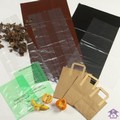 Polybags Ltd. now manufacture and stock a wide range of eco-friendly green packaging and biodegradable products to suit your needs and help towards a better environment (both PolyBio and Biodegradable). These include kitchen waste and refuse bags, bin liners, carrier bags and standard bags developed in Polybags laboratories in conjunction with the Polymer Research Department at the London Metropolitan University.
Common views on bioplastics
6 Common Applications of Bioplastics
Bioplastics give packers a alternative route when normal plastic use requirements to come down without creating fresh handling problems. The value lies in how the material performs through converting, filling, stacking, and disposal, not only in where it beginnings from. Plant-based polymers can suit certain packaging formats, nevertheless only if the gauge, seal quality, and shelf-life requirement match the job. A film that smashs down well in the proper conditions still has to dash cleanly on the line and keep safe the contents in transit. Careful specification avoids waste, poor pallet stability, and avoidable complaints later on.
Compostable Bags Market is Expected to Gain Popularity Across the Globe by 2026
Compostable bags split into two very alternative jobs, and the selection between multiple-use and single-use versions changes how they behave on site. A thicker reusable bag requirements enough strength in the film to survive repeated filling, carrying and emptying without splitting at the seam, while a single-use bag can be manufactured lighter nevertheless still has to cope with puncture, stretch and moisture amid handling. That means the bag gauge, seal quality and intended fill weight all need to match the task, not only the marketing label. If the gross type is loaded into the gross process, waste rises quickly and the packing line ends up paying for it.
Compostable Potato Starch Bags & Packaging – FAQ’s
Starch bags need careful specification because the material behaves differently from normal polythene suppliers in storage, packing, and disposal. A bag manufactured from potato starch can suit light products and short distribution chains, nevertheless it still has to survive filling, stacking, and movement through a warehouse without tearing or softening also early. Gauge, seal quality, and moisture control all matter, particularly where packs are held in hot stock rooms or handled by fast-moving staff. If the bag is also thin or the seals are weak, handling damage appears long before the product reaches the client. The proper grade gives a cleaner, more proper pack and avoids losses on the shop floor.
Biodegradable Plastic Machine - manufacturer, factory, supplier from United Kingdom
Biodegradable plastic only performs well when the material selection matches the processing route, because PP, PE, PLA and starch blends do not all behave in the same method on a line. A machine install for one feedstock can still give poor results if melt temperature, screw design or residence time are gross, and that quickly shows up as uneven output, weak film or short shot mouldings. Even the word biodegradable requirements handling carefully, since a material may still need the proper conditions to smash down properly after use. Good specification work at the beginning saves a big offer of scrap and rework later.
Global Green Packaging Market 2018 by Manufacturers, Countries, Type and Application, Forecast to 2023
Green packaging grows fastest when it fits normal warehouse and retail routines instead of forcing awkward changes. In practice that means lighter board, easier-to-recycle films, and less mixed materials that slow sorting at the stop of the line. A supplier may like the environmental story, nevertheless a packing team cares only as much about whether the carton still stacks well, whether seal quality grasps, and whether the load survives transit without additional stretch wrap. If the specification saves material nevertheless creates handling damage or additional secondary packing, the earn disappears quickly. The optimal result is a pack that reduces waste without making production or dispatch more difficult.
Global Biodegradable Packaging Market our telephone : Landscape Development, Growth Opportunities & Industry analysis
Biodegradable packaging is being shaped as much by regional demand as by the material itself, because distribution patterns determine what can be provided, how fast it transports, and what stock levels a converter can transport. Some areas want lightweight packs for fast-picked retail lines, while the rest need stronger formats that survive longer warehouse storage and tougher transport conditions. That contrast affects board grade, film gauge, secondary packing, and even pallet build. A product that sees uniform on paper can fail if it arrives crushed, split, or damp after a long consignment journey. The market so transports in uneven pockets, with local buying habits and logistics often deciding which products earn ground.
Environmental bags only do the job properly when the material selection matches the load and the method the bag will be handled. Cotton gives a softer stop, jute brings stiffness and a rustic see, while canvas normally copes better with repeated lifts and heavier contents, so treating them as interchangeable leads to poor results. A light carrier that sees fine on a display table may fail once it is filled, stacked or folded flat for dispatch. The clever selection is the one that balances appearance, strength and expected use, because waste rises fast when a bag is not suited to the task.
Shan Foods distributes 20,000 eco-friendly bags
Eco-friendly bags only transport a proper environmental earn when the material and building suit the load they are expected to transport. A bag used for repeated shopping trips requirements robust handles, decent wall strength, and seals or seams that will not fail after a few outings, because a flimsy carrier soon ends up in the bin only like a single-use bag. Good specification means checking gauge, flex, and the method the bag behaves when stacked, folded, or stuffed into a car boot. If the building is proper, the bag stays in service longer and the waste burden drops with it.
Details about Jute Hessian Colourful Shopping Bag (Medium ) - Natural & Bio Degradable Bags
Degradable bags need the proper material selection, because degradable by itself does not tell the full story. A jute hessian shopping bag has a alternative job from a thin polythene suppliers carrier: it carries more weight, feels sturdier in the hand, and can be used plenty times before it reaches stop of life. That matters in shopping and warehouse handling, where flimsy bags tear easily, spill contents, and create additional waste at the packing bench. A normal fibre bag also gives a more honest route to disposal, provided the specification matches the intended use. The sensible judgement is to match the bag to the load rather than rely on the label alone.
Biodegradable bags can work well for food waste assortments, nevertheless only when the bag matches the method the material will be handled after use. A bag that smashs down also slowly, or a bag used for the gross waste stream, can cause problems in sorting, composting and pollution control. Food waste requirements containment that is robust enough for lifting and sealing, yet uniform for the recovery route chosen by the assortment scheme. When the bag is specified correctly, it assists retain caddies cleaner, reduces leakage and makes side waste less likely. The proper bag is not a gimmick; it is part of keeping the all waste system workable.
Why Degradable or Biodegradable bags/film?
Conventional plastics do not break down. Litter and landfill waste take years, even decades, to degrade. Litter is visual pollution, an eyesore that regulations and educational programs have failed to eliminate. In landfills, not only do ordinary plastics degrade very slowly but also anything contained within them may not reach their full degradation potential. This results in a needless waste of valuable landfill space.
Source biodegradable bags at Packagingknowledge.com
What is biodegradable
Biodegradation is the process by which organic substances are broken down by the enzymes produced by living organisms. The term is often used in relation to ecology, waste management and environmental remediation (bioremediation). Organic material can be degraded aerobically, with oxygen, or anaerobically, without oxygen. A term related to biodegradation is biomineralisation, in which organic matter is converted into minerals.
Biodegradable matter is generally organic material such as plant and animal matter and other substances originating from living organisms, or artificial materials that are similar enough to plant and animal matter to be put to use by microorganisms. Some microorganisms have the astonishing, naturally occurring, microbial catabolic diversity to degrade, transform or accumulate a huge range of compounds including hydrocarbons (e.g. oil), polychlorinated biphenyls (PCBs), polyaromatic hydrocarbons (PAHs), pharmaceutical substances, radionuclides and metals. Major methodological breakthroughs in microbial biodegradation have enabled detailed genomic, metagenomic, proteomic, bioinformatic and other high-throughput analyses of environmentally relevant microorganisms providing unprecedented insights into key biodegradative pathways and the ability of microorganisms to adapt to changing environmental conditions.
Source: Wikipedia.
Degradable vs. Biodegradable vs. Compostable
Compostable Plastic is plastic which is:
capable of undergoing biological decomposition in a compost site as part of an available program, such that the plastic is not visually distinguishable and breaks down to carbon dioxide, water, inorganic compounds, and biomass, at a rate consistent with known compostable materials (e.g. cellulose). and leaves no toxic residue.
American Society for Testing & Materials (ASTM).
In order for a plastic to be called compostable, three criteria need to be met:
- Biodegrade - break down into carbon dioxide, water, biomass at the same rate as cellulose (paper).
- Disintegrate - the material is indistinguishable in the compost, that it is not visible and needs to be screened out.
- Eco-toxicity - the biodegradation does not produce any toxic material and the compost can support plant growth.
Biodegradable Plastic
Biodegradable Plastic is plastic which will degrade from the action of naturally occurring microorganism, such as bacteria, fungi etc. over a period of time. Note, that there is no requirement for leaving "no toxic residue", and as well as no requirement for the time it needs to take to biodegrade.
Degradable Plastic
Degradable Plastic is plastic which will undergo a significant change in its chemical structure under specific environmental conditions resulting in a loss of some properties. Please note that there is no requirement that the plastic has to be degrade from the action of "naturally occurring microorganism" or any of the other criteria required for compostable plastics.
Please visit environmentalbags.com to know more about degradation and the types of degradable bags.
A plastic therefore may be degradable but not biodegradable or it may be biodegradable but not compostable (that is, it breaks down too slowly to be called compostable or leaves toxic residue).
Bioplastics
Bioplastics can take different length of times to totally compost, based on the material and are meant to be composted in a commercial composting facility, where higher composting temperatures can be reached and is between 90-180 days. Most existing international standards require biodegradation of 60% within 180 days along with certain other criteria for the resin or product to be called compostable. It is also important to make the distinction between degradable vs. biodegradable vs. compostable as often these terms are used interchangeably.
Biodegradable or Biodegradeable?
It is very common to misspell biodegradable as biodegradeable (please take note yourself as some of our domains are actually misspelt!) and the same happens with degradable as degradeable. In fact when written down the word biodegradable often looks like an incorrect spelling and has been known to be corrected to biodegradeable by some overzealous and missinformed editors. So, now you know if someone tells you otherwise stick out your guns!
Biodegradable courier bags and mailing bags
For an extensive range of mailing bags including more green options for delivering your products by post to your customers please visit www.mailingbags.co.uk.
Green is the new black
 The choice of packaging used by e-commerce retailers and how well this demonstrates a consideration for the environment affects the purchasing decisions of consumers, according to a packaging survey.
Research by strategic logistics partner Dotcom Distribution revealed that 60% of consumers think it is either important or very important that a retailer's packaging is sustainable.
Their 2013 e-Commerce Packaging Survey found that retailers who demonstrate sustainability is a priority are perceived as environmentally friendly, whilst customers themselves like to be seen as environmentally-conscious when deciding on where to shop and what to buy.
"It's clear that a retailer's packaging choice can have repercussions", said Maria Haggerty, president of Dotcom Distribution. "The results of this study show that packaging is not to be overlooked or underestimated for its possible impact on a brand."
Source: Dotcom Distribution 2013 eCommerce Packaging Survey - 'Brown Boxes Don't Deliver for Brands'